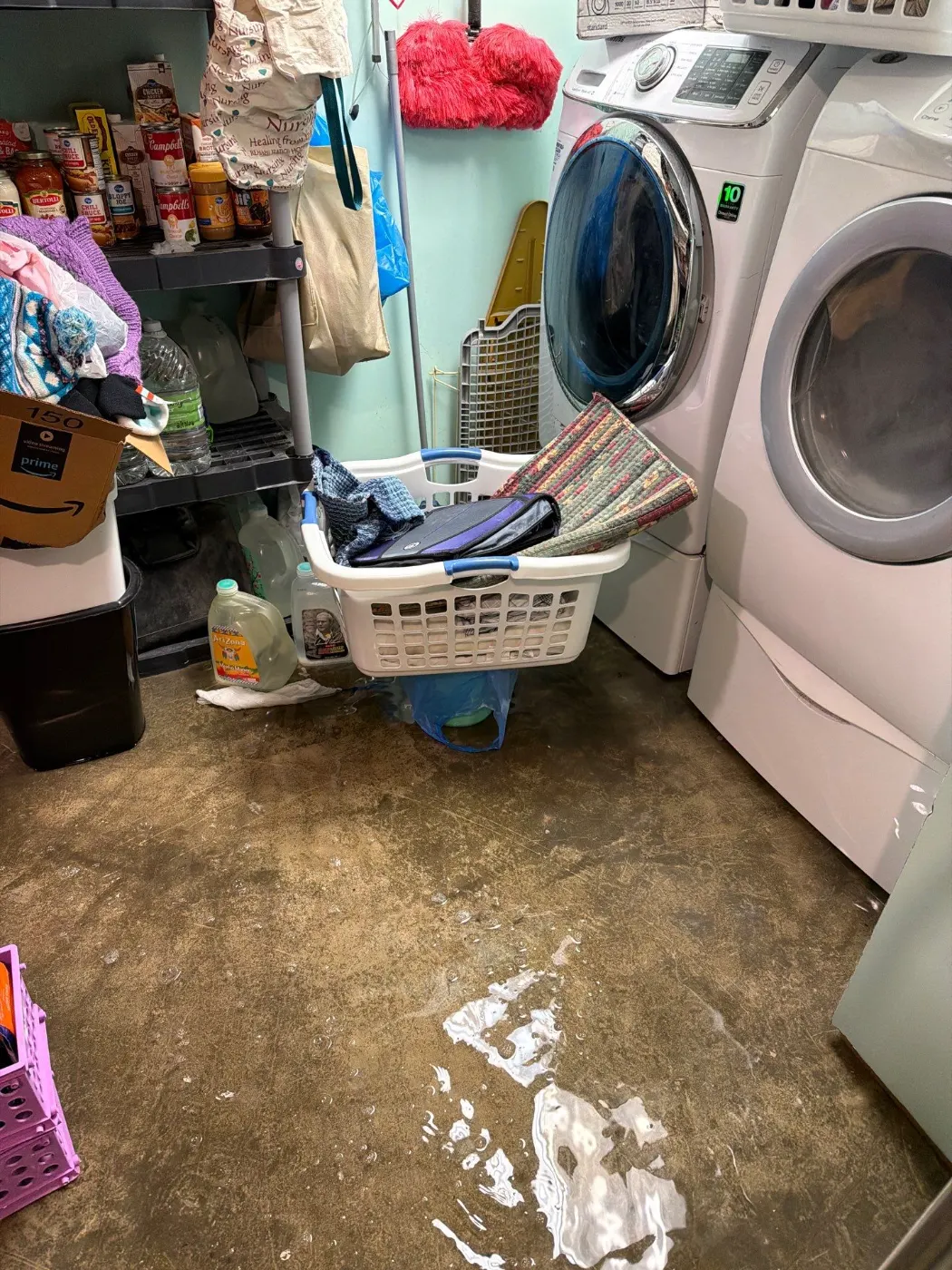
Commercial Storm Damage in Brookside, IN
When a curtain wall or rooftop unit curb lets storm water in, Brookside Water Restoration dries what it leaves behind in Brookside.
Commercial Storm Damage in Brookside, IN starts with one call to Brookside Water Restoration: live 24/7 dispatch, IICRC certified response, and honest written scopes before work begins. Call (765) 703-7292.
- Service: Commercial Storm Damage for Brookside homeowners
- Service area: Brookside, IN and surrounding areas
- Response time: 24/7 answering with priority emergency dispatch across Brookside
- Licensed and insured (License #RC21100059)
- Serving Brookside, IN since 2018
Commercial Storm Damage Cleanup in Brookside
We'll secure and dry commercial buildings in Brookside after a storm opens the roof or floods a lower level.
Storms Here
The White River has a flood history that nearby sites should plan around. Spring and summer are severe thunderstorm season here. NWS Indianapolis posts summaries of past storms, which helps when your carrier asks for a date.
We respond to storm calls from businesses anywhere in Brookside, including those around the East 10th Street commercial corridor. We also handle commercial storm damage in Irvington.
Commercial Storm Damage for Brookside Businesses
Ceiling tiles sag, then one lets go, and the water that was sitting in the plenum lands on a tenant's workstations. By then the batt insulation above the grid has been wet long enough to matter. Brookside Water Restoration takes commercial water intrusion calls in Brookside with a two hour dispatch, pulls the saturated tile and insulation, and gets air moving in the plenum before the gypsum above it starts to fail.
Brookside Water Restoration writes commercial storm scopes line by line, from the emergency dry in to the last ceiling tile, with a reading or a photo behind each item. You can compare it apples to apples with any other bid for your Brookside building. If another scope replaces more ceiling or insulation, ask for the readings that support it.
At your Brookside storefront, the entry floor holds the most water, so the crew starts there. The water gets pulled off the tile or carpet, and a meter checks the threshold and the base of the door frames. Carpet tile that took on clean water can often be dried and reused, and the adhesive underneath gets checked before anything goes back down.
On a multitenant Brookside building the documentation gets built per suite from the start. Readings, photos and equipment time are tracked by space, so costs can be allocated the way the leases require and a tenant's own contents claim has something to attach to. The team builds that breakdown as the job runs, which is cheaper than reconstructing it from invoices in a month.
When one storm has hit your Brookside building and others in your portfolio, give Brookside Water Restoration every address in a single call. The team sorts them by active water and reports each building in the same format, so ownership sees the whole picture side by side.
Signs You Need Commercial Storm Damage Restoration
If you notice any of these in your Brookside building, schedule a free inspection before the issue worsens.
Wet or stained carpet along an interior column line with no plumbing fixture anywhere near it
Mechanical room floor drains that fill during heavy rain and empty slowly afterward
Stains that start at the top floor and reappear on the same wall two floors down
Rust streaks or white efflorescence running down an interior wall below a parapet line
Water lines on the lower walls of a dock office or receiving area
Standing water ponding on the roof more than two days after the rain stopped
The smell of damp cardboard in a stockroom that gets stronger after each heavy rain
Interior glazing sealant that's cracked, pulled loose, or missing along a run of joints
Loose or lifted metal coping on a parapet wall, with fasteners backed out of the wood blocking
A musty, earthy smell at a return air plenum or coming out of a corridor diffuser
How Brookside Water Restoration Handles Commercial Storm Damage
We follow these steps in order on every Brookside job.
Water Path Check
The crew traces the water from the roof breach down through the ceiling to the floors below and photographs the path. Water that backed up out of a drain tied into a sanitary line gets handled as sewage, and that call drives the protocol.
Water Category Call
Rain that started clean can worsen in category as it sits, so the crew classifies the water as it entered and again as it has aged. That call sets which materials get cleaned in place and which come out.
Occupied Space Planning
Suites and corridors that must stay in service get marked on the plan before any equipment is staged, along with where the barriers go. The loud work is scheduled for hours when the space is empty.
Structural Drying Setup
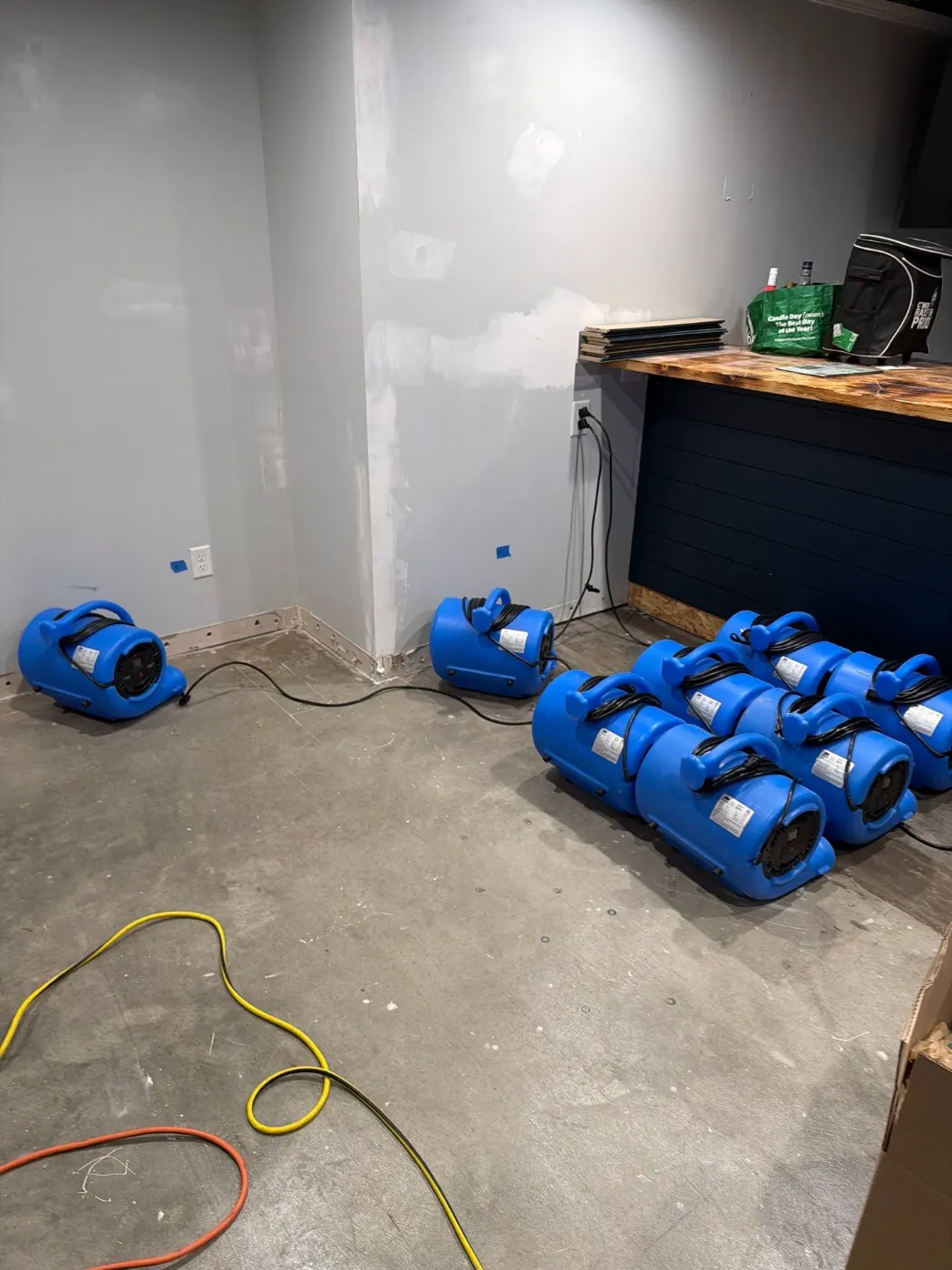
Dehumidification is sized to affected cubic footage, desiccant for open floor plates and refrigerant units for enclosed suites. Air movers go in at calculated angles. The crew checks available amperage and brings distribution or generator power when building panels can't carry the load.
Closeout File and Walkthrough
A walkthrough with the property manager closes the job, and the crew hands over one organized file with the photos, the readings, the equipment run hours and the scope. Ownership and the carrier's reviewer can read it start to finish.
Commercial Storm Damage in Brookside
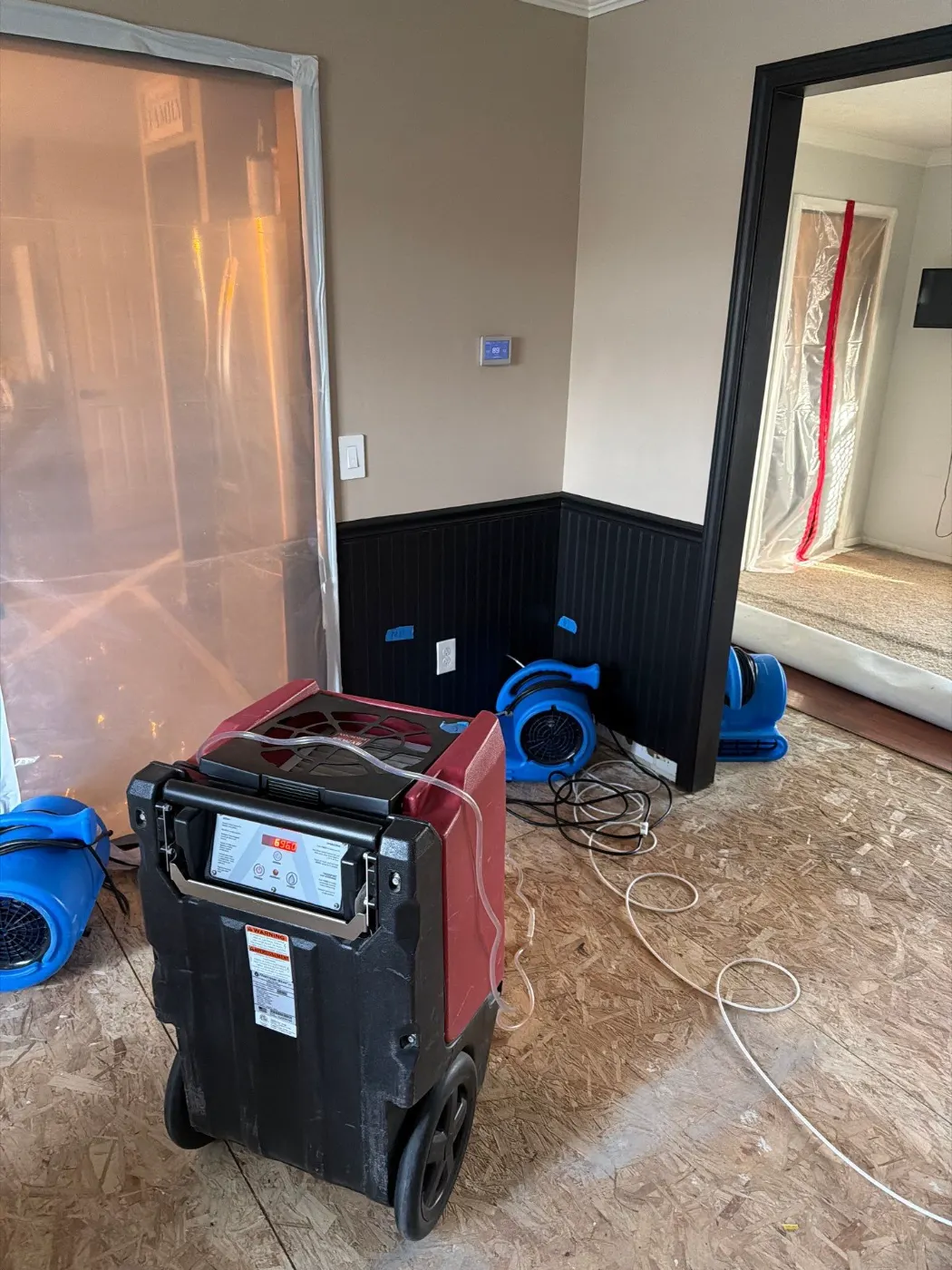
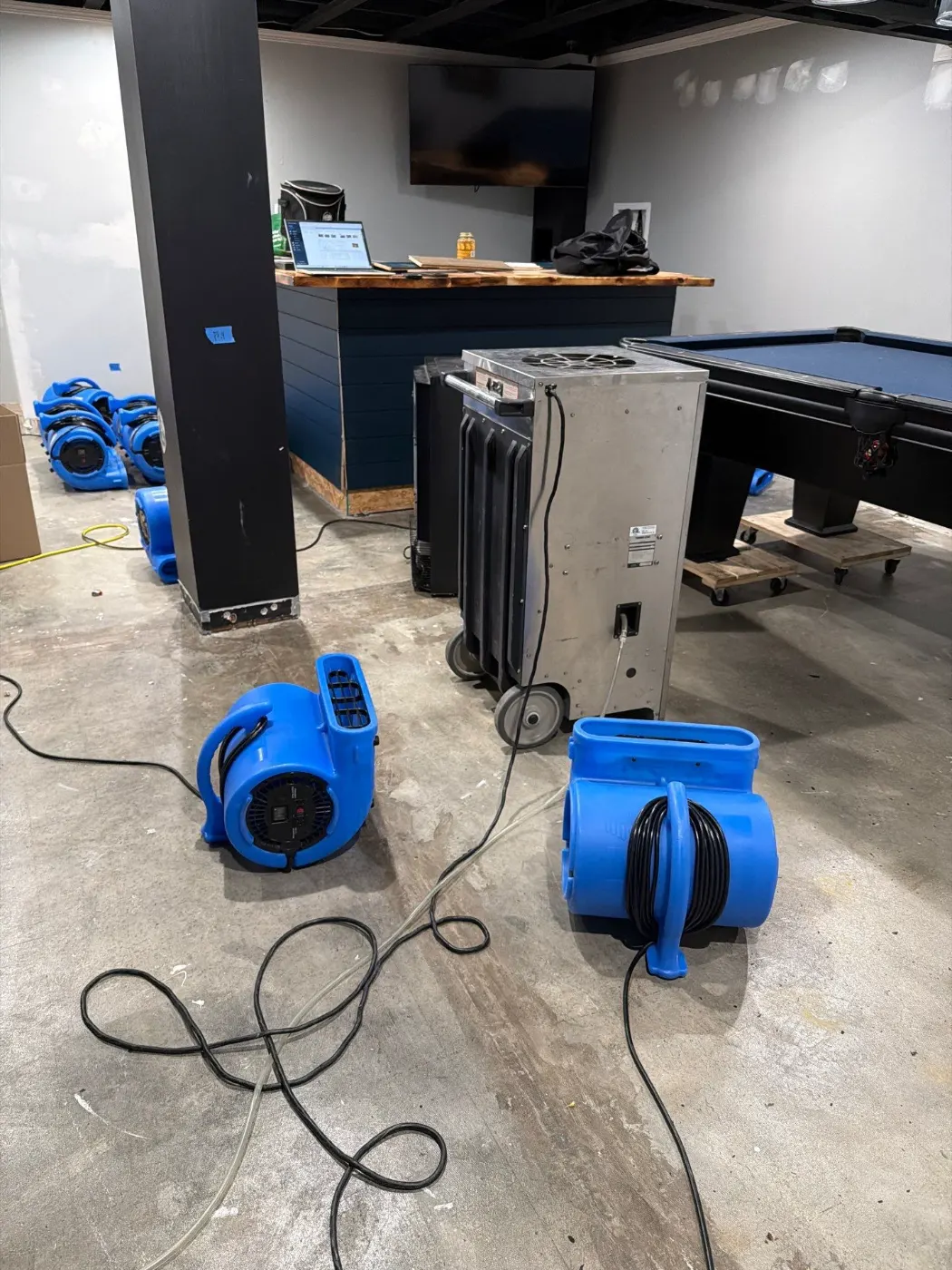
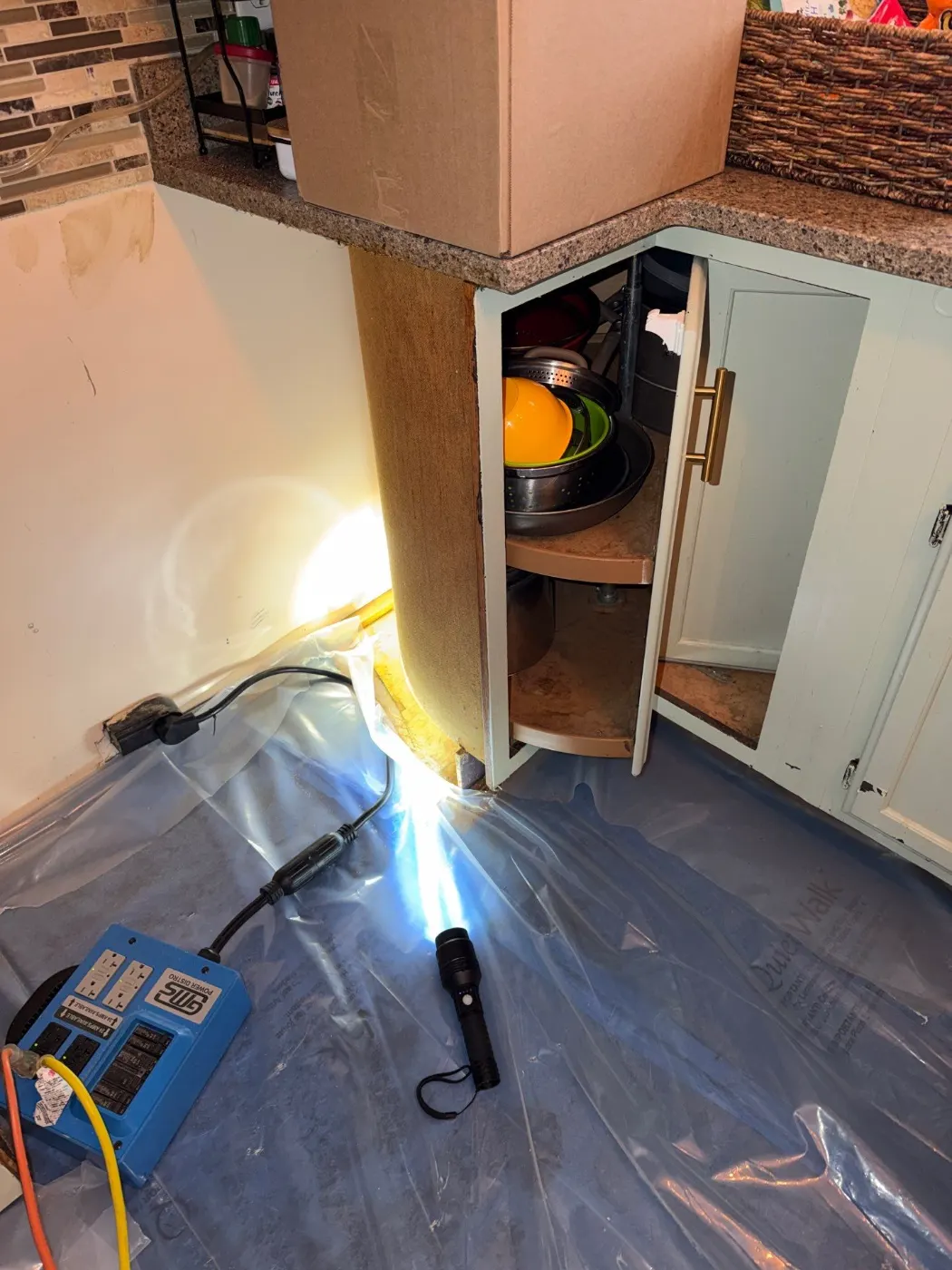
Photographs from real commercial storm damage jobs completed by our crew in Brookside and surrounding areas.
Commercial Storm Damage FAQ
Questions Brookside property managers ask us about commercial storm damage restoration.
Guidance and Standards for Commercial Storm Damage
- The National Weather Service office in Indianapolis posts summaries of recent central Indiana storm and flood events. NWS Indianapolis Event Summaries
- The ANSI/IICRC S500 is the published standard for professional water damage restoration. The current edition is the Fifth Edition, 2021. IICRC S500 Standard
Brookside Neighborhoods We Serve
We take commercial storm damage calls in every part of Brookside. Pick your neighborhood for local details.
Other Restoration Services in Brookside
Brookside Water Restoration handles the full scope of restoration work. Explore our other services below.
Water Damage Restoration in Brookside
24/7 emergency response. IICRC certified water restoration from extraction to full dry out.
Learn more →Basement Flooding in Brookside
Basement water emergencies handled fast. Extraction, drying, mold prevention.
Learn more →Sewage Cleanup in Brookside
Category 3 biohazard cleanup. Full containment, decontamination, structural restoration.
Learn more →Request Commercial Storm Damage Restoration
Reach Us Directly
Our team is available 24/7 for emergencies and ready to schedule inspections during business hours.
Need Immediate Help?
For active water or mold emergencies, call us directly. We are available 24/7.